Apostille and Sworn Translation in Spain: What You Need
Yes, a foreign public document usually needs an apostille (or legalisation if your country is outside the Hague Convention) to count in Spain. A public document not in Spanish usually needs a translation by a Spanish sworn translator, and visa files require it. Get the apostille in the country that issued the document. Covered EU documents skip it.
On this page
Yes: if a document comes from abroad, expect to get an apostille where it was issued and a sworn translation by a translator authorised in Spain if it is not in Spanish.
Which documents need an apostille?
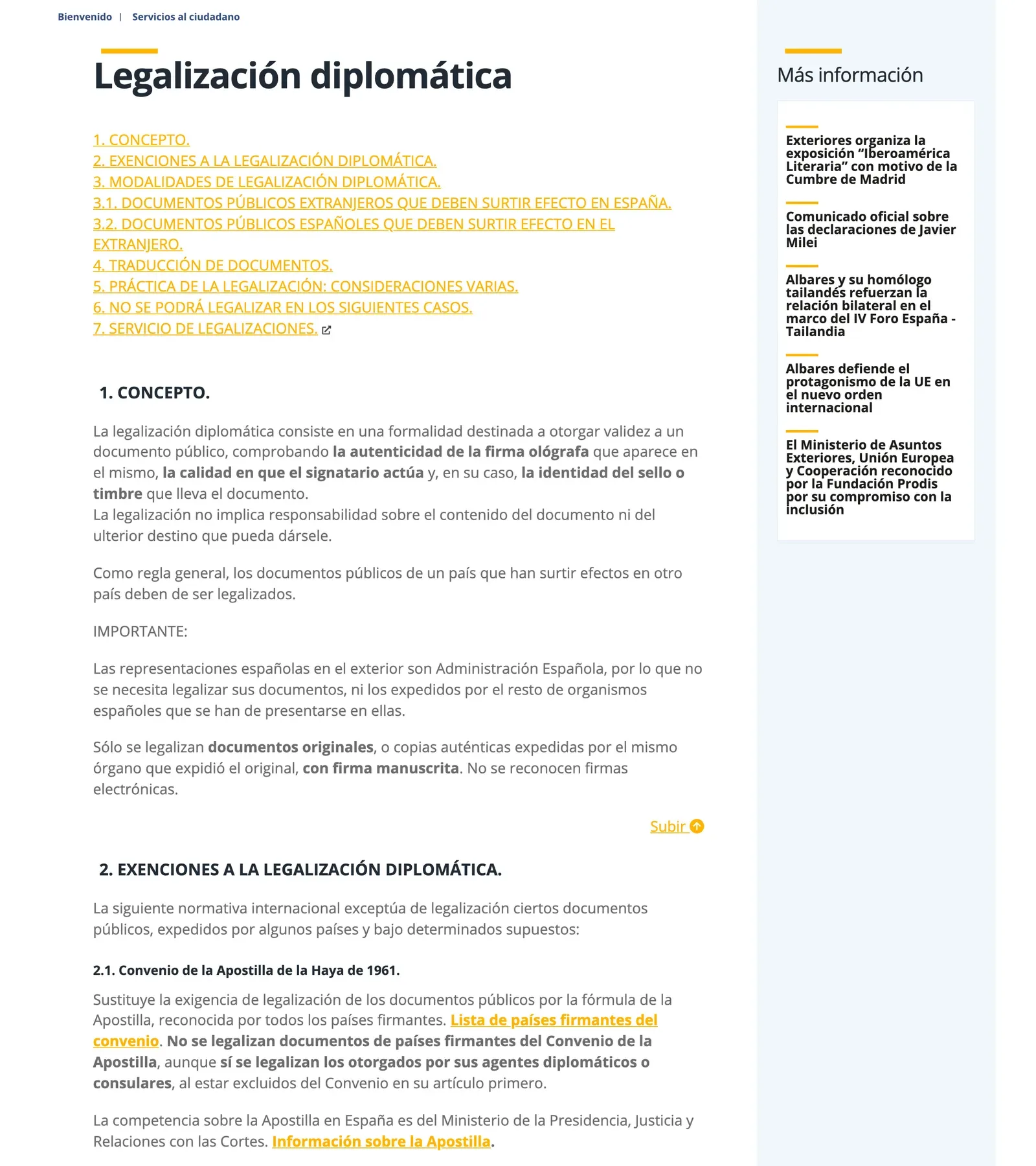
Almost any foreign public document, such as a birth certificate or a police record. In general these must be legalised to count in Spain, and if your country is in the Hague Convention, an apostille does that job. Bring originals: photocopies and laminated documents are not legalised. Documents issued by a country’s own embassies or consulates are legalised rather than apostilled.
How do you get the apostille?
Ask the competent authority in the country that issued the document. If your country is outside the Convention, its foreign ministry legalises the document first and the Spanish diplomatic mission second.
From the UK, the Legalisation Office adds the apostille after checking the signature or seal. A standard paper apostille costs £45 plus postage and usually takes up to 25 working days. An ACRO police certificate needs the paper version, not an e-Apostille. The US and UK visa documents guide covers the full chain.
From the US, a document signed by a federal official needs an apostille from the Department of State.
Do EU documents skip it?
Often yes. A document issued by an EU authority and used in another member state is exempt from legalisation and the apostille when it is the kind the EU Regulation covers. The Regulation sets which documents count.
The public documents to which this Regulation applies and their certified copies shall be exempt from any form of legalisation and similar formality.
DOUE · Reglamento (UE) 2016/1191, art. 4
Documents from outside the EU are not covered. A criminal record certificate is covered only if you are an EU citizen and your own country issued it. The padrón guide applies the same exception. For a visa file, see where the apostille and translation fit in the criminal record certificate guide.
What do you need for the translation?
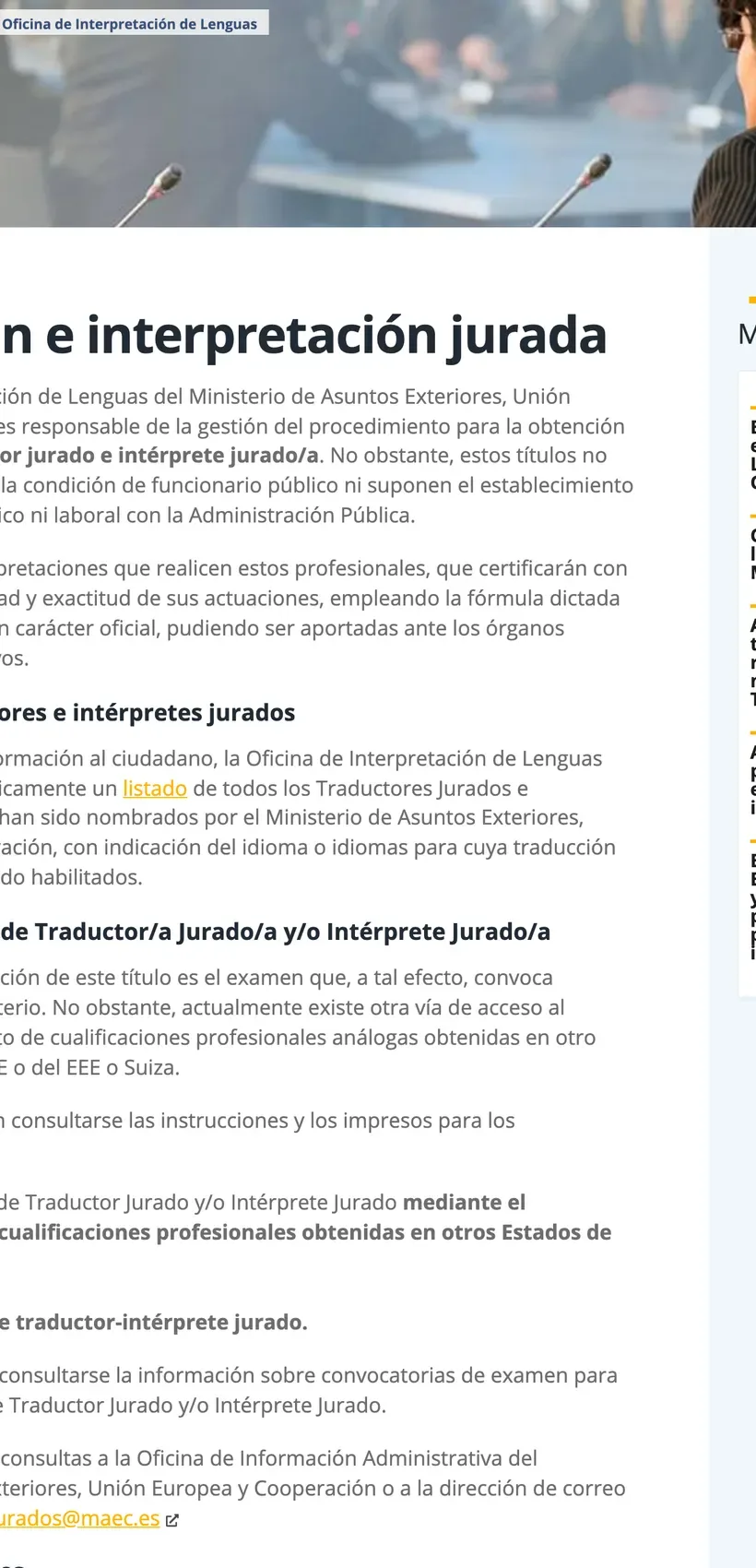
For visa and consular files, a sworn translator authorised by the Foreign Ministry must translate any public document not in Spanish. Pick one from the Ministry’s public list, which shows the languages each is authorised for, and ask for a stamped copy of your original to travel with the translation. The translator certifies with signature and seal, or with an electronic signature; ask the receiving office which version it takes.
Inside the EU, a covered document with a multilingual standard form needs no translation if the office finds the form sufficient.
Plan the order: apostille first, then the sworn translation, then your appointment. The arraigo guide, the non-lucrative visa guide and the EU registration guide list their own documents.
Step by step
- Check whether the document is coveredForeign public documents generally need an apostille or legalisation.
- Get the apostille where the document was issuedThe competent authority of the issuing country issues it.
- Order a sworn translationPick a translator from the Foreign Ministry list and ask for the stamped copy of the original.
- Present originalsPhotocopies are not legalised.
Not confirmed: How long a criminal record certificate stays valid depends on the office that receives it, so ask that office. No official tariff for sworn translations was found, so ask the translator for a quote.
Common questions
Which foreign documents need an apostille for Spain?
Public documents from another country generally need legalisation, and the apostille replaces it between Hague Convention countries. Bring originals or authenticated copies from the issuing body, because photocopies are not legalised.
Who issues the apostille?
The competent authority of the country the document comes from. If that country is outside the Convention, its foreign ministry legalises first and the Spanish diplomatic mission second.
Do EU documents need an apostille?
Documents it covers, issued by an EU authority and presented in another member state, are exempt. Non-EU documents are outside the rule.
Do I need a translation for a document in English?
Usually yes: a translation by a Spanish sworn translator, and visa files require it. Inside the EU, a covered document with a multilingual standard form can skip it if the office finds the form sufficient.
How do I find a sworn translator?
Use the public list on the Foreign Ministry website, which shows each translator's languages. Ask for a stamped copy of the original to travel with the translation.
Read next
Sources and reader comments
Official legal texts (BOE, DOGV, government portals):
- Ministerio de Asuntos Exteriores, Unión Europea y Cooperación: Legalización diplomática (legalizaciones y apostilla) (opens in a new tab)
- Ministerio de Inclusión, DG de Gestión Migratoria: Solicitudes iniciales de autorización para teletrabajadores de carácter internacional (PDF, undated; archived copy) (opens in a new tab)
- BOE núm. 229, 25/09/1978: Instrumento de ratificación del Convenio suprimiendo la exigencia de la legalización de los documentos públicos extranjeros, La Haya, 5 de octubre de 1961 (opens in a new tab)
- Reglamento (UE) 2016/1191 del Parlamento Europeo y del Consejo, de 6 de julio de 2016, sobre la simplificación de los requisitos de presentación de determinados documentos públicos (DOUE L 200, 26.7.2016; Spanish text as reproduced by BOE) (opens in a new tab)
- BOE-A-2020-9271, Real Decreto 724/2020, de 4 de agosto, por el que se aprueba el Reglamento de la Oficina de Interpretación de Lenguas (consolidated text; in force 07/08/2020) (opens in a new tab)
Show 4 more sources
- GOV.UK (FCDO Legalisation Office): Get your document legalised (opens in a new tab)
- US Department of State, Travel.State.Gov: Preparing your Document for an Apostille Certificate (last updated 13 Dec 2024; archived copy) (opens in a new tab)
- Ajuntament de València, sede.valencia.es: Altas y cambios de domicilio en el Padrón Municipal (PA.GP.11); archived copy of 2026-05-12 (opens in a new tab)
- BOE-A-2025-4519, Orden AUC/213/2025, de 26 de febrero, por la que se regula el uso de la firma electrónica para la certificación de las actuaciones de Traductores-Intérpretes Jurados, Traductores Jurados e Intérpretes Jurados (in force 08/03/2025) (opens in a new tab)
General information checked against the sources listed above, not legal advice for your situation. Rules and office practice change; confirm with the immigration office or a licensed adviser before you act. See how guides are checked.
Spotted an error? Report it.
Comments (0)
Be the first to ask about this topic.