NIE vs TIE in Spain: The Difference, Who Gets Which
Mixing up NIE and TIE? The NIE is your foreigner identification number, and it does not authorise residence. The TIE is the card proving your legal status. A general-regime visa over six months means applying for it within one month; a digital nomad visa needs no TIE while you live on it.
Also in: Deutsch
On this page
Confused about NIE and TIE? The NIE is a number, the TIE is a card.
How do NIE and TIE differ?
| NIE | TIE | |
|---|---|---|
| What it is | A personal, unique, sequential number | The card that identifies you and proves your legal status |
| Who gets it | Foreigners with a stay procedure, a foreigners file or ties to Spain | Holders of a general-regime visa or authorisation for more than six months; digital nomads once their residence authorisation is granted |
| How you get it | Automatic in set cases, or on request | In person within one month |
| Fee | €9.84 | €16.08 for a first grant |
| Residence | Does not authorise it | Proves legal situation |
NIE: the number
You are given a NIE when a stay-document procedure starts in your name, a foreigners file is opened, or you have economic, professional, social or other ties to Spain. The Dirección General de la Policía grants it automatically in those cases.
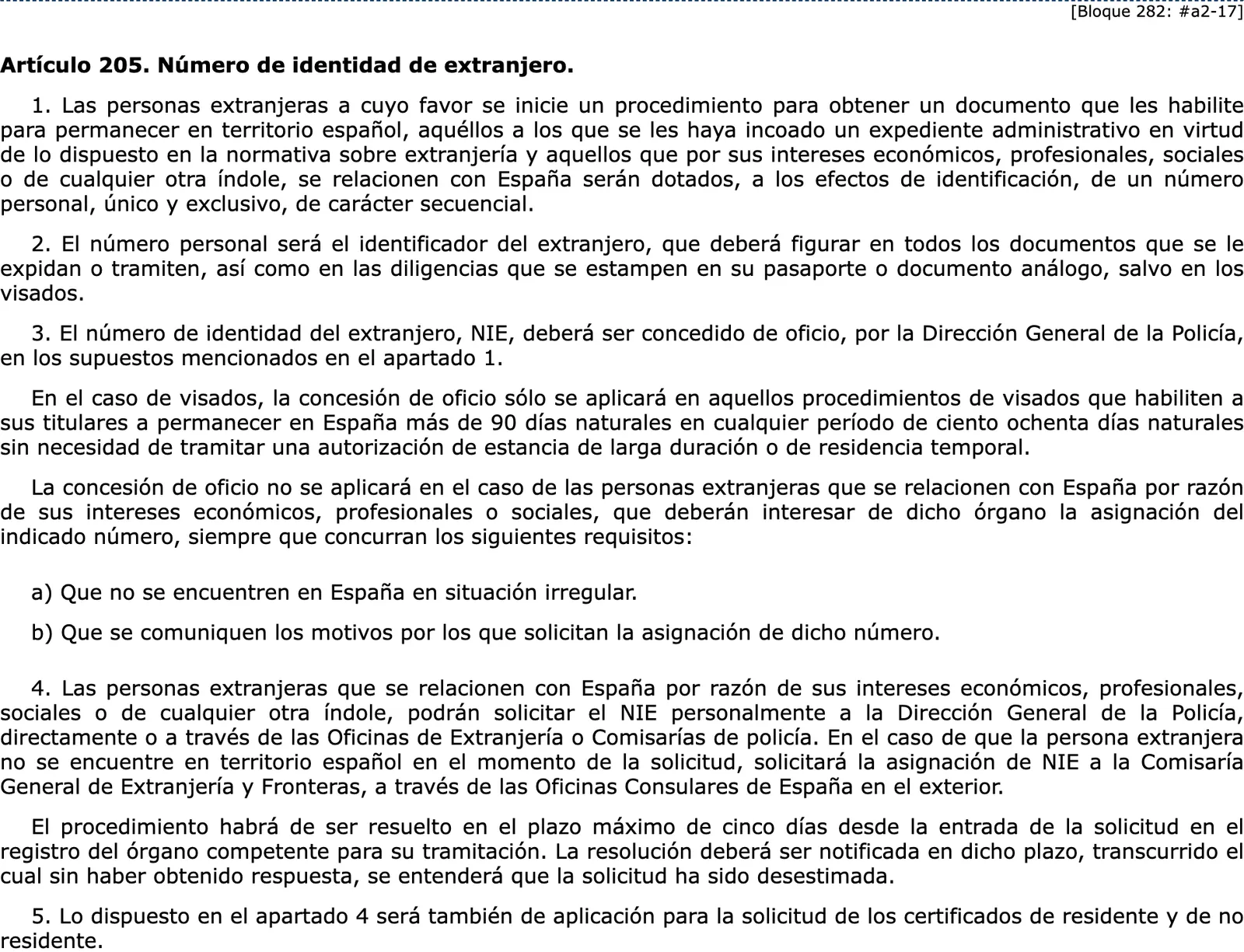
serán dotados, a los efectos de identificación, de un número personal, único y exclusivo, de carácter secuencial
They will be given, for identification purposes, a personal, unique and exclusive sequential number.
BOE · Real Decreto 1155/2024, art. 205.1
The number must appear on every document issued or processed for you, except visas. It starts with X, Y or Z and ends with a capital letter.
Requesting a NIE yourself
For visas, the automatic grant applies to those that let you stay more than 90 calendar days in any period of one hundred and eighty days. If your link is economic, professional or social, the NIE is not automatic and you must ask for it.
You qualify when you are not in Spain irregularly and you state your reasons. Ask in person from the Dirección General de la Policía, directly or through an Oficina de Extranjería or a police station. From outside Spain, apply through a Spanish consulate.
In Valencia, go to the police station, not the Oficina de Extranjería. The form is EX15 with the fee receipt. The fee is €9.84, paid at a bank with no account needed.
See NIE appointment in Valencia for booking.
The police must resolve the request within five days. Silence means the request is rejected.
TIE: the card
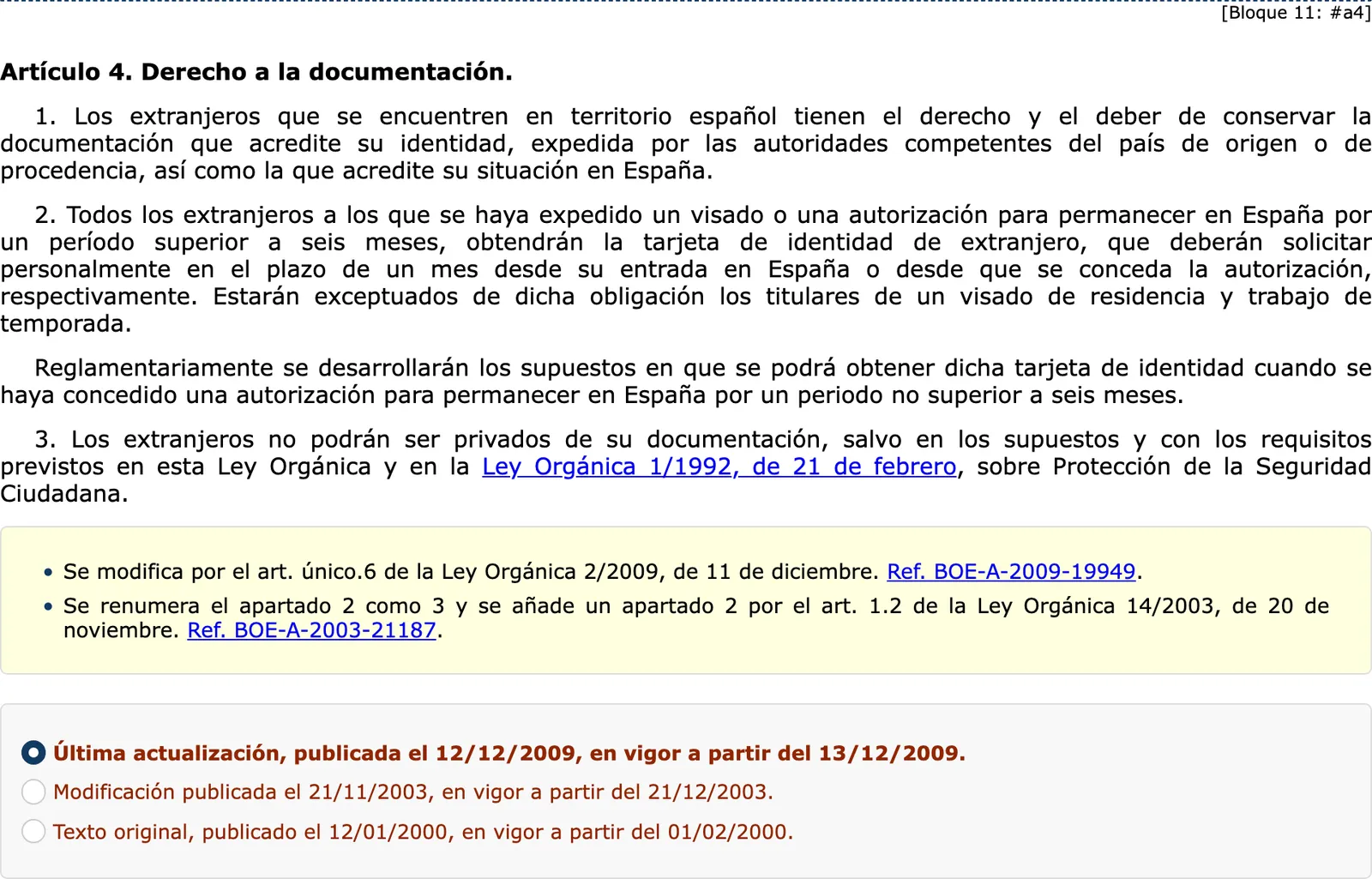
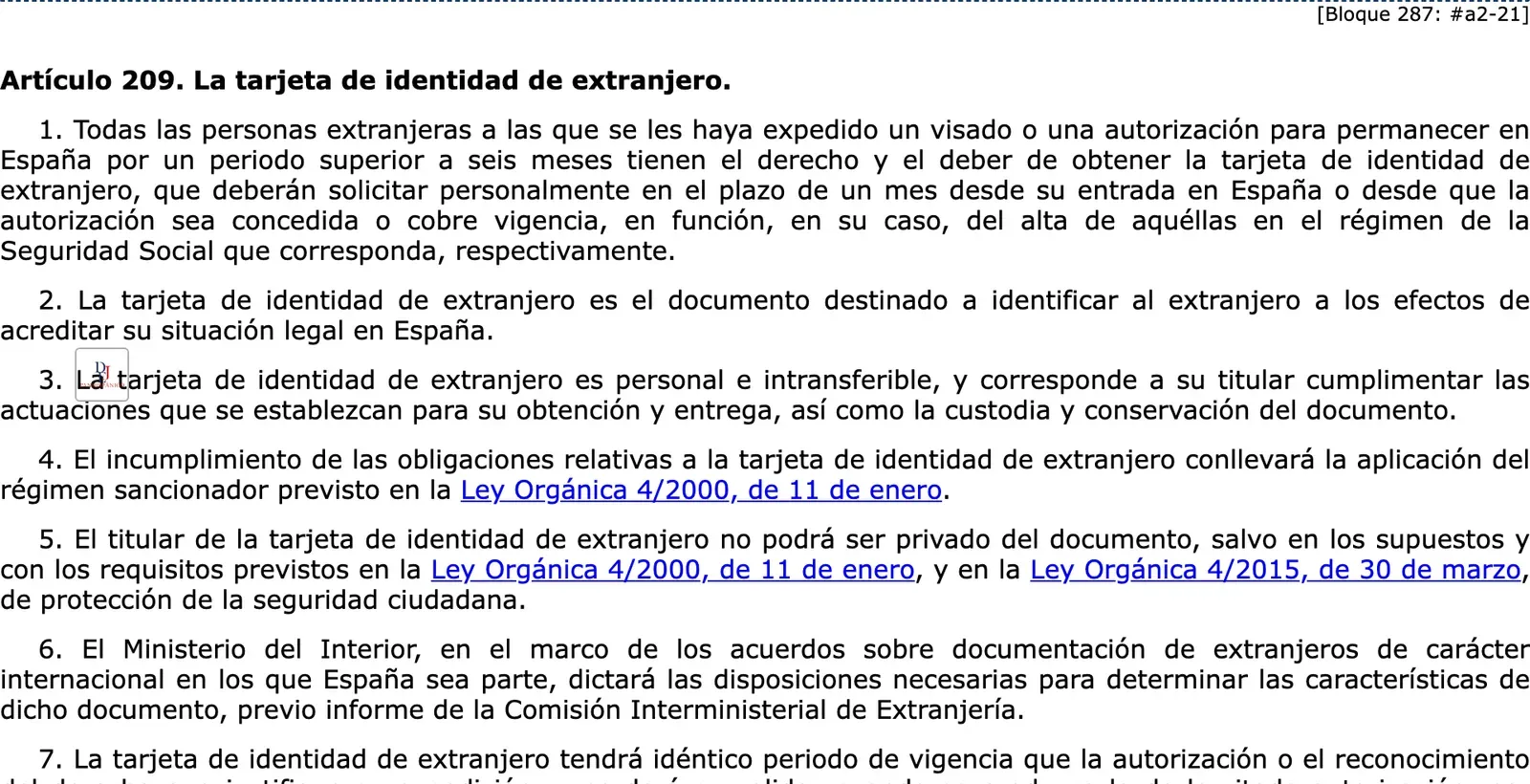
If you hold a visa or an authorisation to stay more than six months, you have the right and the duty to get a TIE.
tienen el derecho y el deber de obtener la tarjeta de identidad de extranjero, que deberán solicitar personalmente en el plazo de un mes
They have the right and the duty to obtain the foreigner identity card, which they must apply for in person within one month.
BOE · Real Decreto 1155/2024, art. 209.1
The month runs from your entry into Spain or from when the authorisation is granted or takes effect. The Organic Law sets the same one-month deadline. Holders of a seasonal residence-and-work visa are exempt.
Residence visas under Ley 14/2013, the law behind the teleworker (digital nomad) visa, are the other exception: the visa itself authorises residence without a TIE. Once you hold the residence authorisation under that law, one valid for more than six months means you apply for the TIE.
The TIE is personal and non-transferable. It has the same validity as the authorisation behind it. Failing the TIE obligations exposes you to the sanctions regime of the Organic Law.
Form and fee
The application is form EX17 with the Modelo 790 código 012 payment receipt.
| TIE documenting | Fee |
|---|---|
| First grant of temporary residence | €16.08 |
| Renewal of temporary residence | €19.30 |
| Long-term residence | €21.87 |
| Temporary residence of family of Spanish nationals | 12 € |
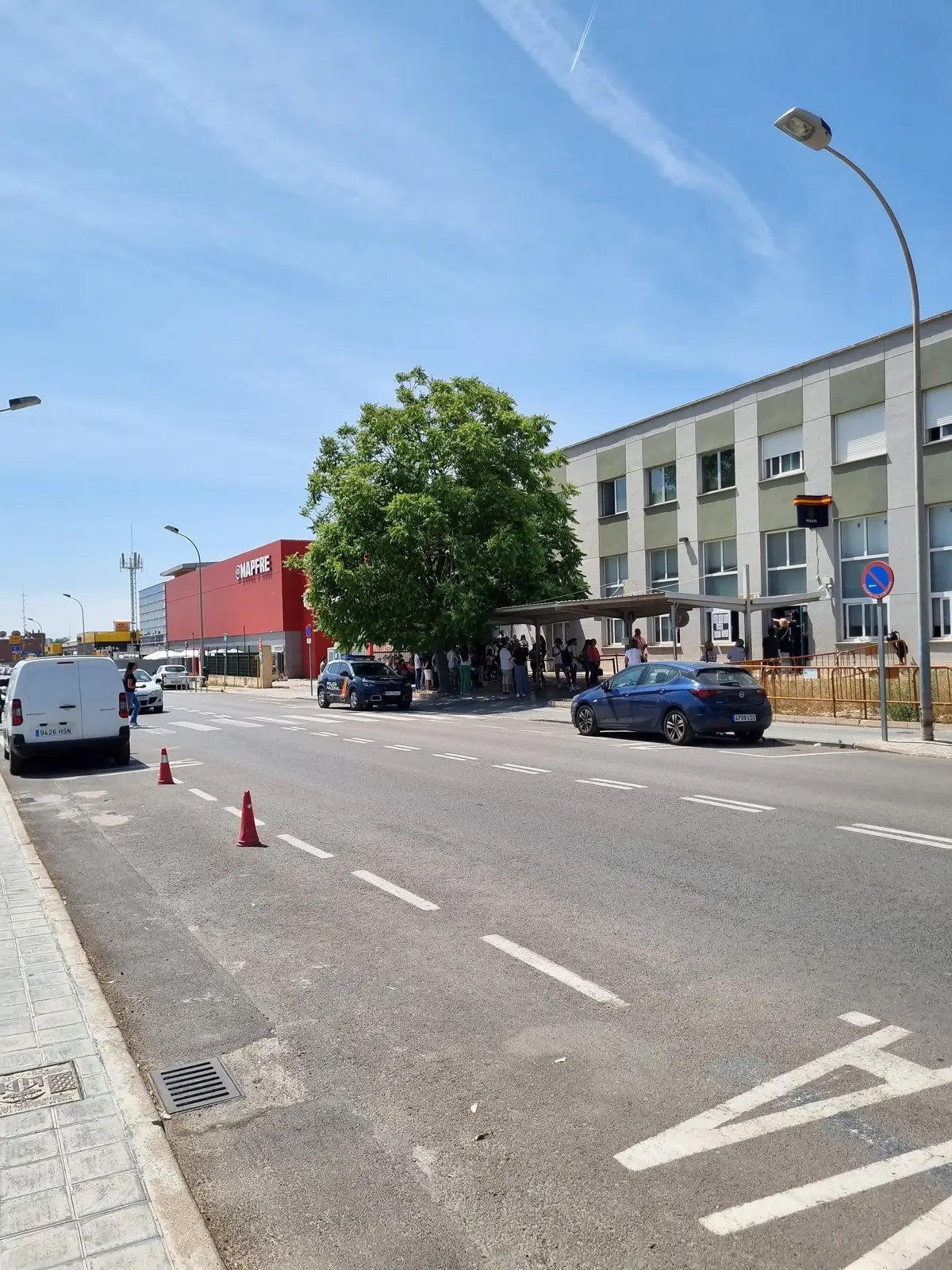
In València, non-EU cards are issued at the Patraix police station on Gremis, C/ Dels Gremis, 6. The Valencia Oficina de Extranjería does not issue them. See TIE card in Valencia and cita previa for extranjería.
Carrer dels Gremis 6, 46014 Valencia, Spain · Open in Google Maps (opens in a new tab)
Are you an EU, EEA or Swiss citizen?
You skip the TIE. EU, EEA and Swiss citizens get a registration certificate, which proves entry in the Central Register of Foreigners for people who will live in Spain more than three months.
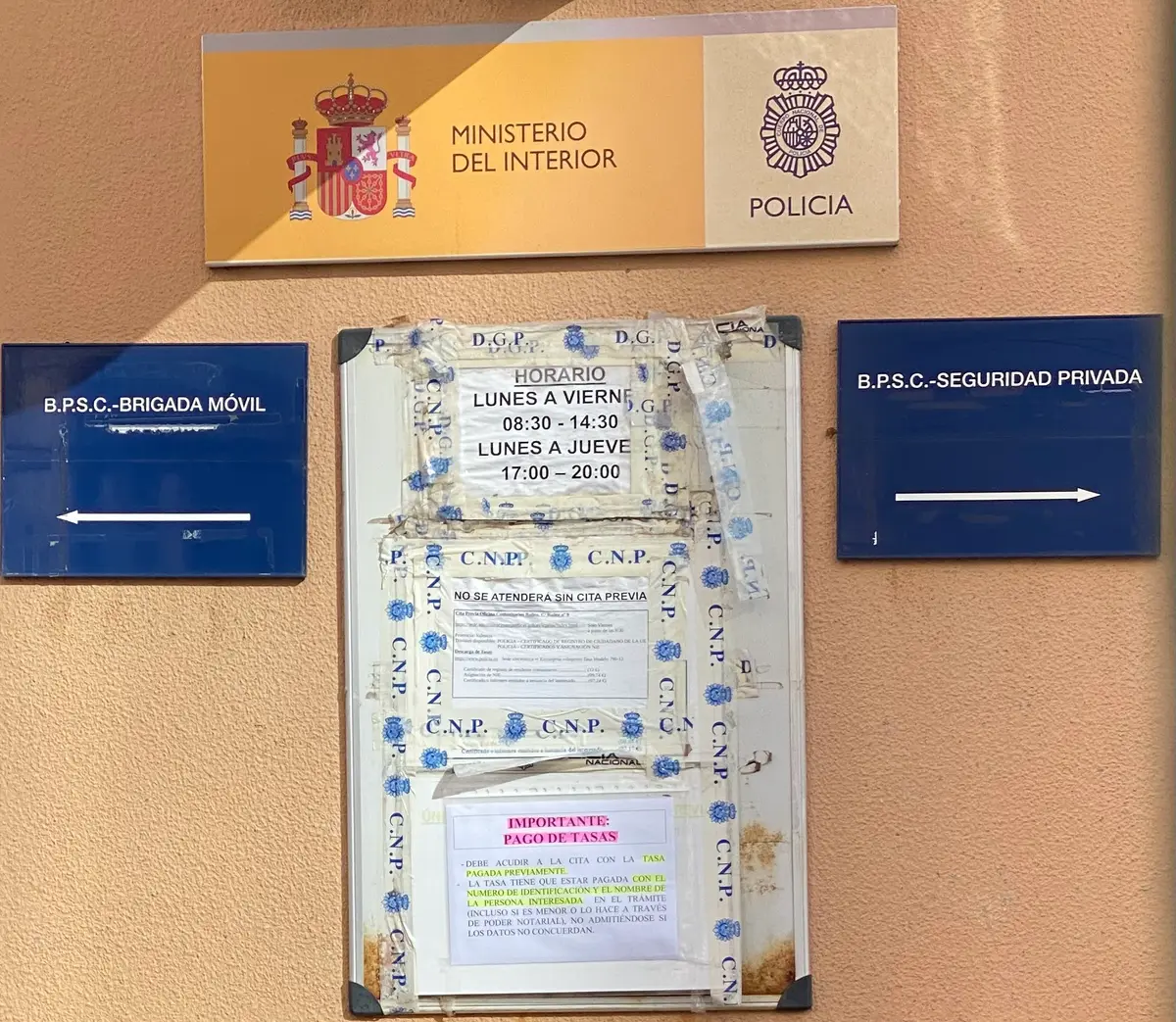
Apply in person within three months of entering Spain. The certificate is issued immediately and states your name, nationality, address, foreigner identity number and registration date. The form is EX18, with the fee receipt. The fee is €12.00.
For a stay under three months, a valid passport or ID is enough. In Valencia the certificates are issued at the Bailén station, C/ Bailen, 9.
Carrer de Bailen 9, 46007 Valencia, Spain · Open in Google Maps (opens in a new tab)
The certificate stays valid while you keep meeting the condition that gave you the right to reside. Report changes of nationality, marital status or address to the foreigners office or police station.
What each document proves
Your situation in Spain can be proved by a passport, a visa, the administrative decision authorising your stay, the TIE, or the resident or non-resident certificate.

- A visa proves your situation from the day you actually enter Spain until you get the TIE.
- A passport with the entry stamp proves a stay for visa-exempt visitors.
- Banks identify foreign individuals with a residence card, a TIE, a passport or, for EU and EEA citizens, their national ID.
Resident and non-resident certificates
Both certificates are requested like a NIE, and the five-day rule also applies. Both use form EX15 and the fee receipt.
- The non-resident certificate proves non-resident status. Any foreigner, EU or third-country, can request it. It is valid for 3 months from issue.
- The resident certificate covers all your periods of legal residence since you obtained that status. It is for foreigners legally resident in Spain. It is valid for 3 months from issue.
The fee for certificates issued at your request is €7.31.
Which one do you need?
Find your case below.
- EU, EEA or Swiss citizen staying more than three months: the registration certificate.
- Visa or authorisation for more than six months: the TIE.
- Teleworker or other Ley 14/2013 residence visa: no TIE while on the visa; the TIE once you hold an authorisation for more than six months.
- Ties to Spain but no such visa or authorisation, and not in Spain irregularly: a NIE on request.
If your case fits none of these, or a NIE request is refused, talk to an immigration lawyer straight away: the appeal window against a refusal is 1 month.
Moving, losing the card or renewing
If you change address, ask the police station that issues your card for a duplicate and bring your current padrón certificate. Read the empadronamiento guide first.
A lost, destroyed or unusable TIE is replaced on request. The new card is not a renewal and keeps the expiry date of the old one. A renewal or a change of your legal or work situation leads to a new card.
When the card expires, your authorisation is renewed or you lose the right to stay, hand the card in at the police station for your place of residence.
Photo credits
- Photos and clips uploaded to Google Maps (Gremis Street Police Station, Valencia on Google Maps (opens in a new tab), Bailen Street Police Station, Valencia on Google Maps (opens in a new tab)) by Alexander, Elina Ter-Avanesian.
Not confirmed: Whether the NIE is printed on the face of the TIE: the texts say the NIE appears on documents issued to you but do not describe the card layout. Check your own card when you collect it.
Reach readers planning life in Valencia. Advertise → hello@settlevalencia.com
Common questions
Is a NIE the same as a TIE?
No. The NIE is a personal, unique, sequential identification number. The TIE is the document that identifies you and proves your legal situation in Spain. The number appears on the documents issued to you.
Does a visa give me a NIE?
Visas that let you stay more than 90 calendar days in any period of one hundred and eighty days come with an automatic NIE. Other foreigners with economic, professional or social ties ask for it.
Can I live in Spain with only a NIE?
No. A NIE does not authorise residence in Spain. Residence needs a visa or authorisation, and an authorisation for more than six months leads to a TIE. EU citizens staying more than three months register instead.
How much do the NIE and TIE cost?
A NIE on request costs €9.84. A TIE costs €16.08 for a first grant of temporary residence, €19.30 for a renewal and €21.87 for long-term residence. Both use the Modelo 790 código 012 payment.
How long until I get a NIE decision?
Five days, counted from the moment your request enters the register. If you get no reply in that time, the request is deemed rejected. An appeal against a refusal (recurso de reposición) must be filed within 1 month.
What do EU citizens get instead of a TIE?
EU, EEA and Swiss citizens who will live in Spain more than three months apply in person for a registration certificate within three months of entry. It is issued immediately and states your foreigner identity number.
Where do I go for a NIE or TIE in Valencia?
In València, non-EU cards are issued at the Patraix police station on Gremis, C/ Dels Gremis, 6. EU registration certificates go to the Bailén station, C/ Bailen, 9. The Oficina de Extranjería does not issue them.
Read next
General information checked against the sources listed above, not legal advice for your situation. Rules and office practice change; confirm with the immigration office or a licensed adviser before you act. See how guides are checked.
Spotted an error? Report it.